
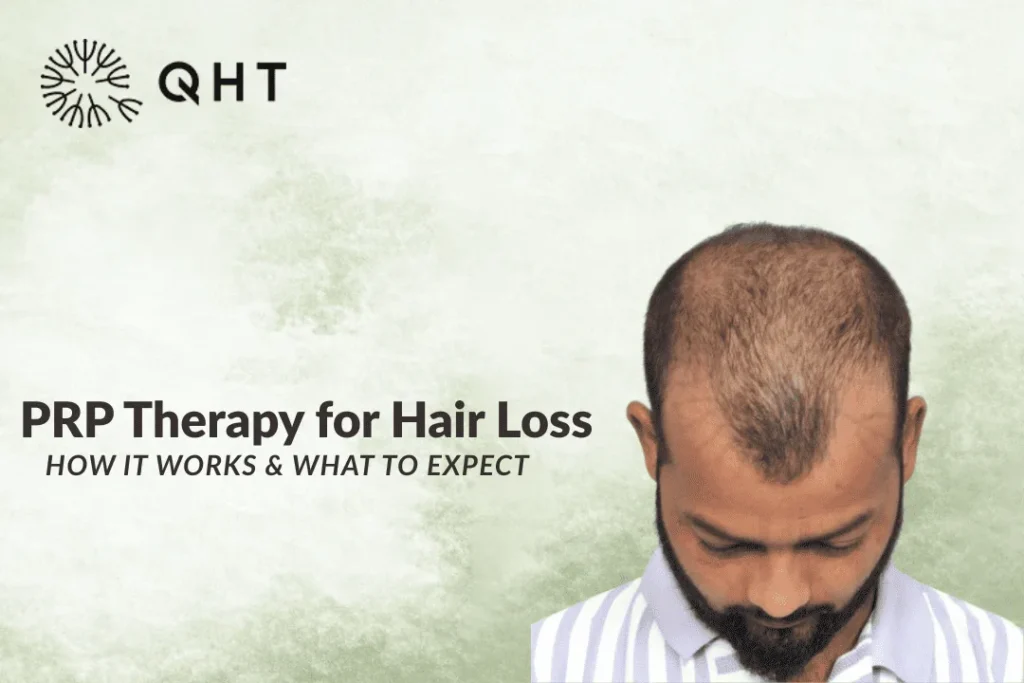
Hair loss is a common problem that affects both men and women. There are many reasons why people lose their hair, including stress, pollution, hormonal changes, poor nutrition, and genetics. As a result, more people are searching for effective ways to prevent hair loss and restore healthy hair growth.
One treatment that has gained significant attention in recent years is PRP therapy for hair loss. PRP (Platelet-Rich Plasma) therapy is becoming popular because it uses the body’s natural healing abilities to support hair growth. Unlike some products that offer only temporary results, PRP therapy works by improving scalp health and stimulating hair follicles from within.
Before starting PRP therapy, it is important to understand how the treatment works, who can benefit from it, and what results you can realistically expect. For individuals with more advanced hair loss, PRP therapy is often combined with procedures offered by the best hair transplant in Hyderabad specialists. Many patients also research the best hair transplant clinic in India to explore comprehensive hair restoration options and achieve long-lasting results.
In this blog, we will tell you everything about PRP therapy for hair loss. We will talk about what it’s, how it helps, and what you need to know before you start.
What is PRP therapy?
PRP stands for Platelet-Rich Plasma. PRP Therapy for Hair Loss uses the things in your blood to help your hair grow. It takes the platelets and growth factors from your blood. Puts them into your scalp. Platelets are good for your body tissues, as they help fix damaged tissues, make your blood flow better, and help your hair follicles work. Since it uses your blood, it is a safe and natural way to help your hair grow.
Why PRP Therapy is Popular for Hair Loss
A lot of people like PRP therapy because it is not surgery, it does not take time to recover, and it is a quick process. It helps your hair grow naturally. Many people choose PRP therapy because it is a way to make their hair look healthy without having surgery.
How PRP Therapy for Hair Loss Works
The process is simple. Usually only takes one visit to the doctor.
Step 1: Blood Sample Collection
The doctor takes a bit of blood from you. It is like a blood test.
Step 2: Platelet Separation
The blood is put into a machine that separates the different parts of your blood. It separates the blood cells, the plasma, and the platelets. The platelets have a lot of things that help your body heal.
Step 3: PRP Injection into the Scalp
The PRP is put onto your scalp where your hair is thinning. The growth factors help your hair follicles work better and your scalp get healthy.
How PRP Helps Hair Growth
PRP therapy for hair loss makes the environment around your hair follicles better. It can help you lose hair, make your hair thicker, and make it stronger. It can even help your hair grow back.
This all happens over time, so you have to be patient.
Who is the Ideal Candidate for PRP Therapy?
It works well for men and women who still have hair roots that are active. It does not work well for completely bald people.
Conditions Commonly Treated with PRP
Doctors often use PRP therapy to help people with hair loss that runs in their family, hair loss from stress, hair loss from hormonal problems, and hair loss from getting older.
You should talk to a doctor to see if PRP therapy is right for you.
Benefits of PRP Therapy for Hair Loss
There are good things about PRP therapy.
1. Natural Procedure
It uses your blood, so you do not have to worry about having a bad reaction.
2. No Surgery Involved
3. Quick Recovery
4. Improved Hair Quality
5. Reduced Hair Fall
What Happens During the Procedure?
The procedure is usually comfortable. Does not take a long time. You might feel a bit of pain when you get the injections, but it is over quickly.
Recovery After PRP Therapy
It is easy to recover from PRP therapy. You might have some redness, swelling, or sensitivity on your scalp. It goes away quickly.
How Many Sessions Are Required?
You usually need to have PRP therapy sessions to see results. Most doctors say you should have 3 or 4 sessions, and then you might need to have sessions to keep your hair healthy.
PRP Therapy vs Hair Transplant
Some people compare PRP therapy to hair transplants. PRP therapy is not surgery; it is best for people with thinning hair. It helps your hair grow naturally. Hair transplants are surgery; they are best for people who’re bald, and they give you permanent results. Sometimes people have both PRP therapy and a hair transplant to get the results.
Latest Hair Restoration Technology and PRP
New technology has made hair restoration better.
PRP therapy is often used with treatments to help your scalp heal, make your hair grow, and keep your hair healthy.
Important Aftercare Tips
After PRP therapy, your doctor might tell you to do some things to help your hair grow. You should not wash your scalp away, you should drink a lot of water, you should not smoke or drink alcohol, and you should take good care of your hair. If you do these things, your hair will be healthier in the long run.
Common Myths About PRP Therapy
Some people think that PRP therapy gives you results right away. That is not true. It takes months to see real results. Some people also think that PRP therapy works for completely bald people. It works best for people who still have hair follicles that are active. Some people think that PRP therapy is not safe. It is safe because it uses your own blood.
Factors That Affect PRP Results
How well PRP therapy works depends on a few things. It depends on how much hair you have lost, how old you are, what you eat, how healthy you are, and if you keep having PRP therapy sessions.
If you take care of yourself and have PRP therapy, you will get better results.
Conclusion:
PRP Therapy for Hair Loss is a way to help your hair grow naturally. It uses your blood to help your hair follicles get healthy and strong. Even though it takes time to see results, many people see that their hair is healthier, thicker, and looks better after PRP therapy. If you are just starting to lose your hair, PRP therapy might be a choice for you. You just have to be patient and take care of your hair.

