
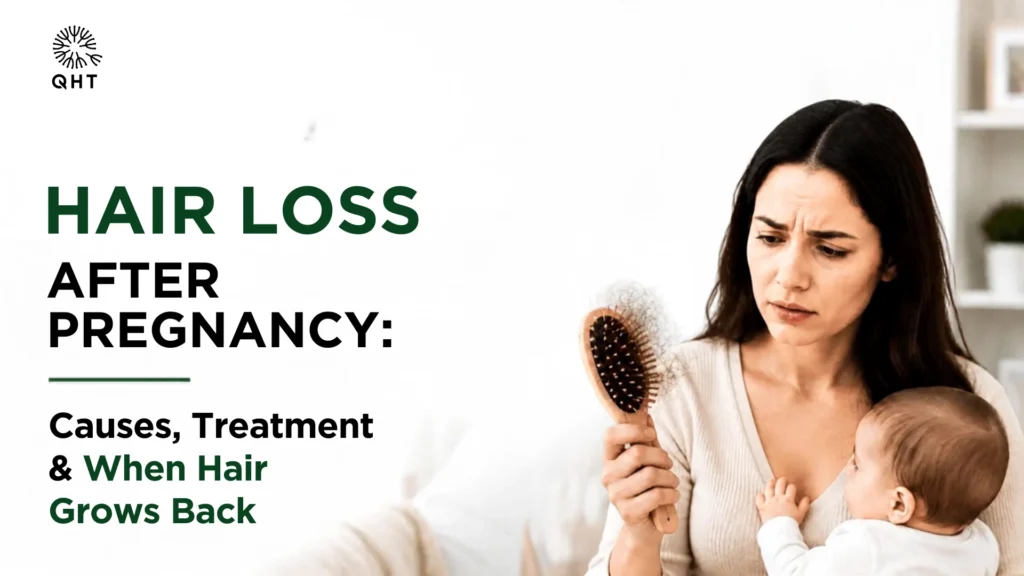
A Pregnancy Transformation. There can be a great number of physical adjustments that a woman will undergo throughout her pregnancy — a mix of normal and unexpected changes. One of the more frustratingly emotional adjustments that most new moms experience: the significant amount of post-partum hair loss.
It’s a very familiar sight: large amounts of hair all over the pillow, on the brush, or down the shower drain just a few months after the baby has arrived.
So, while there’s nothing you can necessarily “cure” and no diagnosis, don’t panic when you realize post-partum hair loss is for real.
Why Does Hair Loss After Pregnancy Happen?
Hair loss &Pregnancy(9 to 12 weeks) during most women experience some amount of increase in progesterone during pregnancy. Estrogen holds excess hair in the growth phase of the hair cycle longer than usual, which is what makes most women’s hair look thicker and healthier for the extent of the pregnancy. Once baby is born and hormone levels normalize, those hold on excess hair, as it has entered its shedding phase all at once causing-clinically-sudden and generalized hair loss or telogen effluvium which can set in several weeks (usually three or four months) after baby’s birth for a couple of months until your natural shedding slows.
How Much Hair Loss Is Normal After Delivery?
Although you should know as a general that a person normally loses fifty to one hundred hairs in a day. This number might exceed considerably after pregnancy which can result in a significant number of hair loss – some women might experience losing as much as 300 and even higher strands in a day. While it could seem very unnerving it is crucial to remember that most of these lost hair shall grow back on their own.
However, you can consider discussing this with your gynecologist or any doctor if you feel the situation goes beyond control, persists for over a year after delivery or it affects your morale severely.
It is common that the condition may be triggered by factors that most new mothers face: Poor Nutrition, Thyroid Issues and even Stress. While in big cities like Hyderabad that are dotted with premium clinics offering advanced procedures like hair transplants, women in Hyderabad opt for seeking expert diagnosis instead of just waiting and watching.
What Treatments Help With Postpartum Hair Loss?
Usually for women, no medical treatment is required for hair loss and they regrow on their own, however there are measures that may lead to recovery and healthy growth at a faster rate. Some effective treatment procedures are as follows. Eating a balanced diet: Consuming iron rich foods, vitamins like biotin and zinc along with sufficient protein is one of the major causes of preventing thinning and promoting stronger hair growth.
Take doctor’s prescription-based supplements; you may be taking supplements in the postpartum period.
Topicals and LLT (Low-level laser therapy) might be advised to patients by a dermatologist depending on the extent and level of the condition. A PRP therapy (Platelet Rich Plasma) or exosome therapy are non-surgical treatments used to stimulate hair regrowth for women experiencing extended and progressive loss of hair. The Dense hair implantation in Hyderabad might be recommended for women with the visible thinning that hasn’t responded to other measures, it works to effectively restore the density of the hair.
When Will Hair Grow Back?
It’s the thing on every new mum’s mind. Generally, around the time your baby is about six months of age, hair’s typical level of ‘shedding’ should come back to normal. By the time bub turns one you will most probably be able to see a difference in hair density and fullness.
That said, regrowth first tends to sprout out in an awkward way. Short and fine strands of new hair will appear along your parting, or along your hairline; they’re totally a good thing. Let things naturally reset – worrying can make things worse.
When Should You See a Specialist for Hair Loss After Pregnancy?
The following are few symptoms that you should not ignore even if you are dealing with postpartum hair loss. If you notice that the excessive hair fall does not stop after 12 weeks of delivery, and there are bald patches instead of general thinning or you feel tired, your weight is fluctuating or your monthly period is not regular – please get checked. Hormonal or thyroid imbalance might be the cause of these symptoms and requires separate treatment. Women who visit clinics that provide hair transplants in Hyderabad to cure postpartum hair loss have been tested and screened for the underlying cause before suggesting any treatment.
Choosing the Right Clinic Matters
Yes, not all postpartum hair loss cases warrant surgery! But, if you have severe postpartum hair loss that doesn’t seem to improve or is causing long-lasting thinning, consult an expert at a reputable clinic. Choose clinics that spend time conducting a comprehensive examination before jumping into suggesting a treatment.
Clinics specializing in FUE hair transplants in Hyderabad and other hair restoration techniques will be able to guide you towards medical treatment, lifestyle changes, or a minimally invasive surgery appropriate for you.
And if you aim for restoring your hair volume, dense hair implantation in Hyderabad can truly make a difference in boosting the lost thickness.
Conclusion
There are thousands of women every year that suffer hair loss post-pregnancy, though the phenomenon still remains somewhat unknown. Most women don’t know, thankfully, that this generally is just a phase and the symptoms should pass within a year of their child’s birth. However, if they feel it’s taking an exceptionally long time or isn’t the same as before.
Eating a proper diet, keeping your stress to a minimum, getting hormonal checkups and giving your body adequate rest and time to rebound will take the first and, perhaps, most crucial steps.
If you notice hair loss and believe there is a reason why your recovery should be expedited, then consulting a specialist sooner than later is always best. The chances that you will get a favorable result will be higher than if you delay the treatment.
FAQs – Hair Loss After Pregnancy
1. Is hair loss after pregnancy normal?
Yes. Postpartum hair loss is common because hormone levels drop after delivery. Most women notice increased shedding for a few months before hair starts growing back.
2. When does postpartum hair loss usually start?
Hair loss usually begins 2 to 4 months after childbirth. This happens as extra hair retained during pregnancy enters the natural shedding phase together.
3. How long does postpartum hair loss last?
Most women see hair shedding improve within 6 to 12 months after delivery. Hair gradually regains its normal thickness as the natural growth cycle returns.
4. What can help reduce hair loss after pregnancy?
Eat a protein-rich diet, maintain iron and vitamin levels, manage stress, stay hydrated, and follow your doctor’s advice for supplements and hair care.
5. When should I see a hair specialist for postpartum hair loss?
See a specialist if hair loss continues beyond 12 months, bald patches appear, or you have symptoms like fatigue, irregular periods, or thyroid problems.
6. Can PRP or hair transplant help postpartum hair loss?
Most women recover naturally without surgery. PRP may help prolonged hair loss, while a hair transplant is considered only after complete medical evaluation.

