
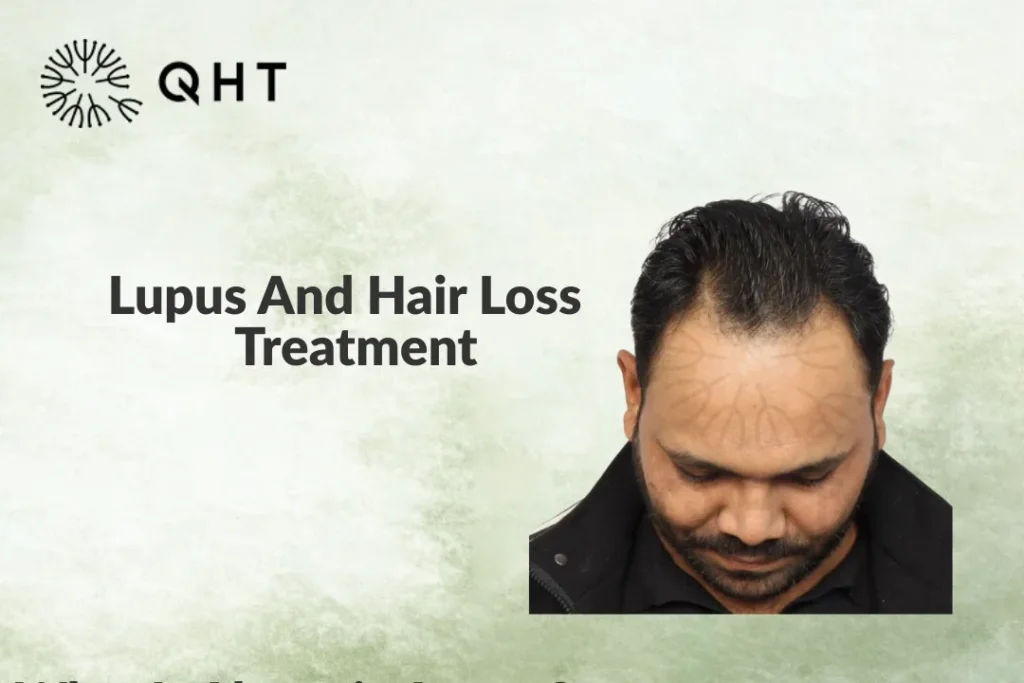
Lupus can be really tough to deal with especially when it causes hair loss. Lots of people who have lupus notice that their hair is getting thinner, they have spots or they are losing a lot of hair. To figure out what to do about this we need to understand how lupus and hair loss are connected. This is the step to finding a treatment that works and feeling good about ourselves again.
In this blog we will talk about why lupus causes hair loss, what treatments are available and when we might need to consider something like hair transplantation.
What Is Lupus
Lupus is a disease where the immune system attacks the parts of our body. It can affect our skin, joints, kidneys, heart, lungs and even the scalp.
One thing that people may not know about lupus is that it can cause hair loss. Some studies show that a lot of people with lupus will lose some hair at some point. This can be very difficult to manage. Knowing more about lupus and losing hair, will help us figure out how to deal with it.
How Does Lupus Cause Hair Loss
The connections between lupus and hair loss is really complex. Lupus can cause people to lose their hair because of the disease itself. Because the scalp gets inflamed or even because of the medicines they take to deal with lupus symptoms.
1. Scalp Inflammation
Lupus can make the hair follicles on the scalp get inflamed which messes up the way hair grows. This inflammation can make the roots of the hair weak. That is why people with lupus might lose more hair than usual.
2. Discoid Lupus Lesions
Some people who have lupus get something called discoid lupus which’s a skin problem that causes red patches on the scalp that are scaly. These patches can hurt the hair follicles so badly that they can never grow hair again which is called scarring alopecia and it means the hair loss is permanent.
3. Lupus Flares
When lupus gets worse people often start losing a lot of hair. Their hair might become dry and thin. It can break easily.
4. Medication Side Effects
Some medicines that doctors prescribe to help people with lupus might make their hair thin out a bit. The good thing is that when the doctor changes the amount of medicine they take, the hair usually grows back.
Why International Patients Choose Hyderabad for Hair Restoration
Hyderabad is emerging as one of the best options for advanced hair restoration solutions. A well-known Hair Transplant Clinic for international patients has many advantages:
- Experienced hair transplant surgeons
- Modern technology and techniques
- Personalized treatment plans
- Quality patient care
- Treatment cost is reasonable when compared with many other countries
International clients currently travel comfortably to and from treatment and also rest and recuperate comfortably in the city after treatment, which is why hair restoration in Hyderabad is among the top international medical services.
Understanding Hair Transplant Cost in Hyderabad
The hair transplant cost in Hyderabad depends on things.
- Number of grafts needed
- How hair you have lost
- The hair transplant method used
- The doctors experience
- The clinics equipment and technology
While cost is an important part, patients really should put safety first , then consider the surgeon’s experience and what they can expect for long term results.
When Should You Consult a Hair Specialist?
When to See a Hair Doctor?
You should see a hair doctor if you have:
- Hair falling out all the time
- Hair loss in some areas
- Red and sore scalp
- Hair loss with lupus treatment
- Bald spots that make you feel bad about yourself
Finding out early can help you get better and keep the hair you still have.
Conclusion
Lupus and hair loss are linked, but there is help for the condition. Controlling lupus activity, keeping a healthy scalp and getting medical treatment when needed can minimize hair loss and maximize regrowth. For people with settled permanent hair loss with no possibility of regrowth, advanced restoration techniques like a Hair Transplant in Hyderabad could be a viable long term option. If you have lupus and are losing your hair consult with our experienced doctors who can assess your case and suggest the best course of action for you to achieve healthy, natural-looking hair regrowth.

